
How Often Should You Change Your Oil?
A Complete Guide for Car Owners
One of the most common questions car owners ask is: how often should I change my oil?
The answer depends on several factors, including your vehicle type, driving habits, oil quality, and mileage. In this guide, we break it down clearly so you can protect your engine and avoid costly repairs.
For drivers in Indianapolis, keeping up with regular oil changes is essential due to daily commuting, weather conditions, and stop-and-go traffic. Preventive maintenance helps extend your vehicle’s life and ensures safe, reliable driving year-round.
Why Oil Changes Are So Important
Engine oil lubricates moving parts, reduces friction, regulates temperature, and prevents dirt buildup. Over time, oil degrades and becomes less effective, increasing engine wear and the risk of breakdowns.
Skipping oil changes can lead to:
- Reduced engine performance
- Higher fuel consumption
- Engine overheating
- Long-term engine damage
How Often Should You Change Your Oil?
While older vehicles required oil changes every 3,000 miles, modern cars typically need them less frequently.
General guidelines:
- Conventional oil: every 3,000–5,000 miles
- Synthetic oil: every 7,500–10,000 miles
- Older or high-mileage vehicles: may require more frequent changes
Always check your owner’s manual for manufacturer recommendations.
Factors That Affect Oil Change Frequency
Several conditions can shorten the time between oil changes:
- Frequent short trips
- Stop-and-go traffic
- Extreme temperatures
- Towing or heavy loads
- High-mileage engines
If any of these apply to you, more frequent oil changes are recommended.
Signs Your Car Needs an Oil Change
Not sure if it’s time? Watch for these warning signs:
- Dashboard oil warning light
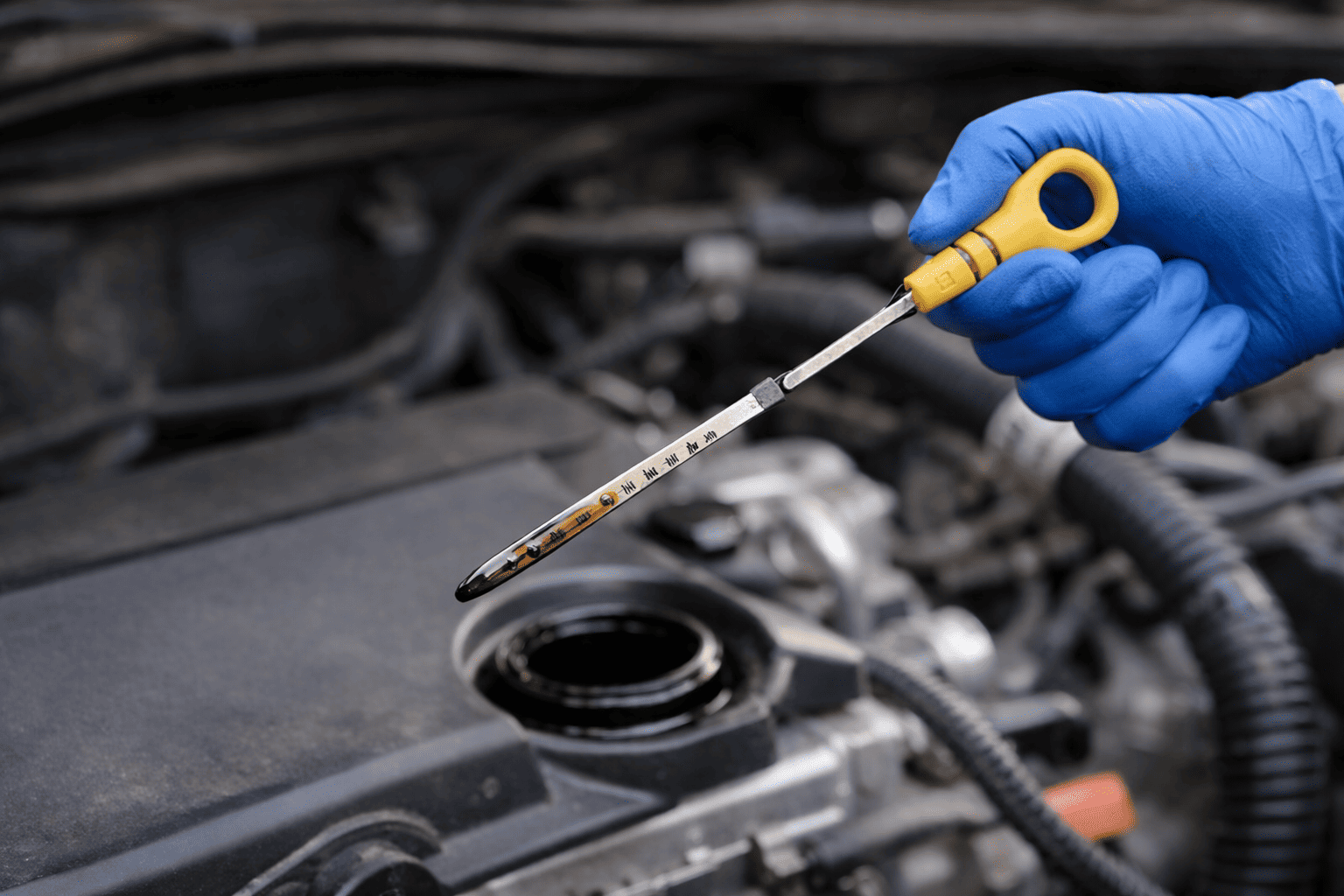
- Dark or gritty oil on the dipstick
- Engine noise or knocking
- Burning oil smell
- Decreased fuel efficiency
Ignoring these signs can lead to expensive engine repairs.
Synthetic vs Conventional Oil
Choosing the right oil matters.
Synthetic oil:
- Lasts longer
- Performs better in extreme temperatures
- Provides better engine protection
Conventional oil:
- Lower upfront cost
- Suitable for older vehicles
Many modern vehicles require synthetic oil—always confirm before servicing.
Preventive Maintenance Saves Money
Regular oil changes are one of the most cost-effective ways to prevent major engine issues. Staying on schedule helps you avoid unexpected breakdowns and costly repairs down the road.
Mobile Oil Changes — Convenience Without Compromise
Mobile oil change services allow your vehicle to be serviced at your home or workplace without visiting a shop. This saves time while ensuring professional care using quality oil and filters.
Final Thoughts
Oil changes may seem simple, but they play a critical role in your vehicle’s health. Understanding when and why to change your oil helps you drive confidently and extend your car’s lifespan.
If you’re unsure about your oil change schedule, consulting a professional is always the safest option.
👉 Learn more about our mobile oil change service in Indianapolis and how easy it is to keep your car properly maintained.