
How Long Does a Car Battery Last? Signs, Tips, and When to Replace
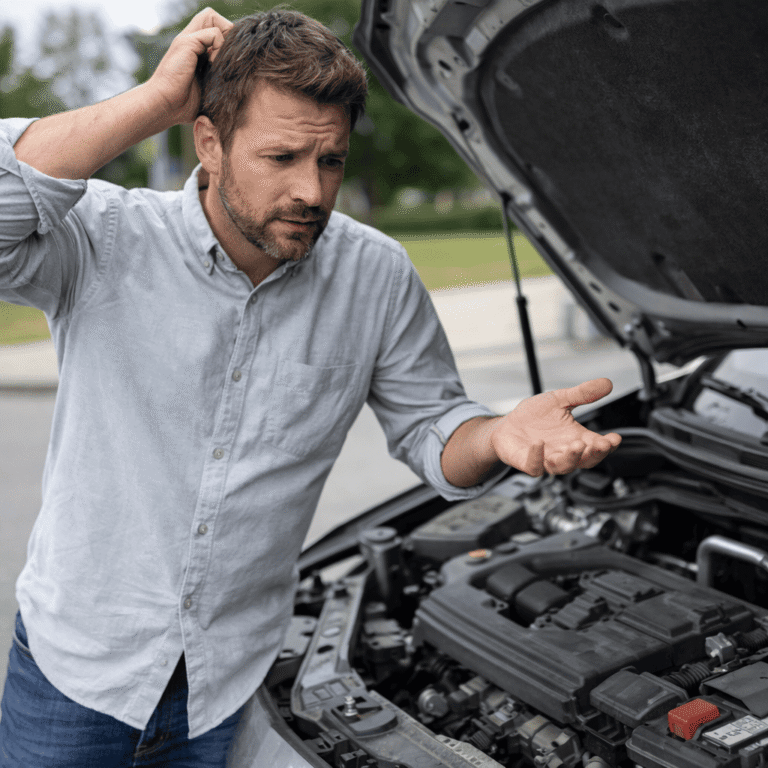
Car batteries don’t usually fail overnight, but when they do, it always seems to happen at the worst possible moment. One of the most common questions drivers ask is how long does a car battery actually last?
The short answer: most car batteries last between 3 and 5 years, but several factors can shorten or extend that lifespan.
Why Car Battery Lifespan Varies
Not all batteries age the same. Even two identical vehicles can have very different battery life depending on how they’re used.
Factors that affect battery lifespan include:
- Climate (extreme heat or cold)
- Driving habits
- Vehicle electronics
- Maintenance history
- Battery quality
In many cases, the battery gives warning signs before failing completely.
Average Car Battery Lifespan
Under normal conditions, a standard car battery lasts:
- 3–5 years for most vehicles
- Shorter in very hot or cold climates
- Longer with consistent driving and proper maintenance
Short trips and infrequent driving tend to drain batteries faster than people realize.
Common Signs Your Car Battery Is Dying
A weak battery rarely fails without warning. Pay attention to these symptoms:
- Slow engine crank when starting
- Flickering or dim headlights
- Dashboard warning lights
- Electrical issues (radio, windows, locks)
- Clicking sound when turning the key
If you notice more than one of these signs, it’s probably time to check the battery, even if the car still starts… for now.
What Causes Car Batteries to Fail Early?
Some common reasons batteries don’t reach their full lifespan:
- Leaving lights or electronics on
- Corroded battery terminals
- Extreme temperatures
- Old or low-quality battery
- Long periods without driving
Battery issues often appear gradually, which is why they’re easy to ignore.
Simple Tips to Extend Battery Life
You can’t make a battery last forever, but these habits help:
- Drive regularly to keep the battery charged
- Turn off lights and electronics when parked
- Keep terminals clean and corrosion-free
- Address electrical issues early
- Replace old batteries before complete failure
A little attention can prevent a lot of frustration later.
Battery Checks as Part of Preventive Maintenance
Battery inspections are often part of general vehicle maintenance and safety checks. Testing voltage and connections helps identify weak batteries before they leave you stranded.
Regular battery checks work best when combined with other preventive care, such as oil changes and brake inspections. This approach keeps the vehicle reliable instead of reacting to problems last-minute.
Final Thoughts
Car batteries don’t last forever, and waiting until one completely fails usually means an inconvenient situation. Knowing the typical lifespan and warning signs gives you control and helps you plan ahead.
If your battery is older than three years, checking it before it fails is always a smart move, even if everything seems fine right now!.